TheBoardroom Game
NewThe world's leading business simulation for university students

Teach your students to run a company by letting them run one.

Student teams take executive roles inside competing companies and make every decision a real business demands. The data moves in real time, and the other companies in the market are run by the teams sitting across the room.

Our founders have taught and led simulations at

ESCP Business SchoolUniversité Paris DescartesTrinity College DublinLebanese UniversityInstitut Catholique de Paris
12,000+

Entrepreneurs taught worldwide by our founders through Lamba.

13 years

Running business simulations for university students, six of them at ESCP Business School across Paris, London and Berlin.

1,000+

Students who have played a simulation led by Dr Elsa El Hachem-Kirby.

01Why now

They will lead companies in a world that is rewritten every single day.

Geopolitical shifts redraw supply routes. Social movements change what customers accept. Policy, capital and sentiment move faster than any planning cycle. This is the environment your students will be making executive decisions in.

Every graduate faces a first consequential decision. Most face it after they are hired. The gap between knowing business and having run one closes in exactly one way: by running one.

AI can produce the analysis. It cannot produce someone willing to decide.

02What makes it different

A simulation of the room where the decisions actually get made.

Real time

The numbers move while they are still analysing them.

Every side at once

Marketing, finance, operations and people are one call, not four.

A different hat each

Every student holds an executive role and sees different numbers.

Competitors in the room

The other teams shape the market, not the software.

03The boardroom conversation

The decision is not the lesson. The conversation before it is.

The hardest part is not the decision, it is agreeing on it in time. Five perspectives, one call, and a clock.

01

Persuading

Students make the case from their own numbers, to people holding different numbers.

02

Conceding

They learn to disagree well, which is the rarest skill in any boardroom.

03

Committing

Consensus is expensive and so is delay. They find the balance themselves.

04

Saying the unpopular thing

Someone has to. They discover whether they are that person.

04A real room

Real people, in a real room, against real rivals.

No logins, no homework, no working alone at a laptop. Three days in one room, five companies at five tables, close enough to hear each other.

One table per company

Students sit together for three days and work the way a real team works: in the same place, at the same time.

One room for the whole market

The market is not an opponent on a server. It is four other student companies they can see across the room.

05What students walk away with

The executive judgement no lecture, textbook or internship can give them.

Five things they leave with. Scroll through them.

01

Deciding before the picture is complete

The data is never finished and the clock is always running. They learn to commit anyway, and to tell a sound decision apart from a lucky one.

02

Making the case to the room

A strategy is worth nothing until the people around the table back it.

03

Reading a world that keeps moving

Seeing how a shift somewhere else becomes a problem on their own balance sheet, and acting before it arrives.

04

Seeing the whole business at once

Marketing, finance, operations and people become one problem instead of four modules.

05

Owning a decision after it goes wrong

They will make one that costs them real ground. Leading their team out of it is the closest thing to running a company that education can offer.

Book a call
06What your university gains

A flagship experience your students will not find anywhere else.

07The debrief

The game ends. The learning happens in the hour after.

Every decision is replayed, defended and explained.

Students see the whole market's history, including what their competitors were thinking.

Led by a sociologist and a serial entrepreneur together, which is what makes the debrief worth as much as the game.

08Who is behind it

Built by people who have taught business and built businesses.
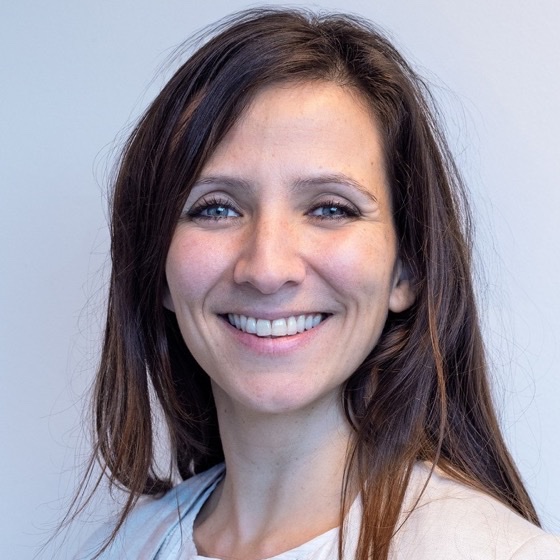
Dr Elsa El Hachem-Kirby
Co-founder

Elsa has spent thirteen years running business simulations for university students, six of them as a business game animator at ESCP Business School across its Paris, London and Berlin campuses. More than a thousand students have played a game she has led.

Her doctorate is in sociology, and that is why this game is different. The parts most simulations leave out, how customers really behave, what pressure does to a team, how a reputation is built and spent, come from someone who has spent a career studying exactly that and years watching students live it in a room.

  • PhD, Sociology. Université Paris Descartes (Sorbonne)
  • MSc Economics. Trinity College Dublin
  • Associate Professor. Lebanese University
  • University Lecturer. IUT de Paris, Institut Catholique de Paris
  • Teaches in English, French and Arabic
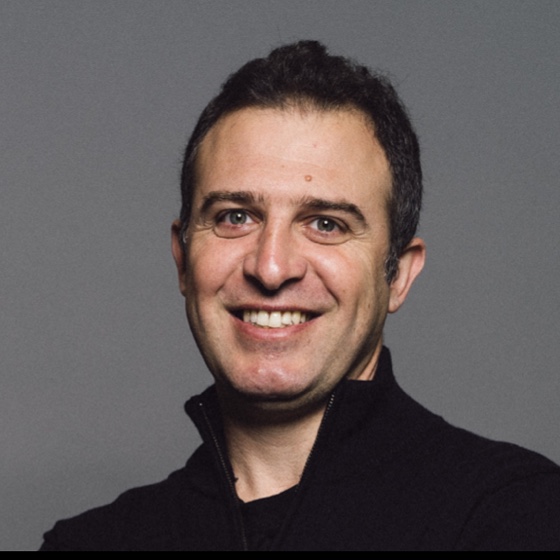
Nagi Salloum
Nagi Salloum
Co-founder

Nagi is a serial entrepreneur who has built and run companies, and has taught entrepreneurship to more than 12,000 people worldwide through Lamba, in universities and business schools, in accelerators and government programmes, and inside companies.

The decisions students face in the game are the ones he has made himself, with his own money and his own teams on the line. That is what keeps the simulation honest.

Next step

Let's talk about your students.

Twenty minutes. We will show you how it plays and work out whether it belongs in your program.

Cal.com embed
Book a call
Booking link to be confirmed.

Not ready to talk? Read the format and logistics.